The Virtues Project
Bringing virtues-based practices — a shared, positive language of character — into schools, families, and community life across Southwest Florida.
Our Mission
To bring the Virtues Project's practical tools for character development and relationship-building into schools, families, and community settings across Southwest Florida.
Why This Table Exists
Schools, families, and workplaces often lack a shared, positive vocabulary for talking about character. Young people in particular tend to hear plenty about what they are doing wrong — and far less about the strengths they are already showing.
Virtues practices offer a different grammar: noticing, naming, and nurturing qualities like kindness, patience, courage, and respect in ourselves and each other — moving from shaming and blaming to naming and reframing.
Current Focus
- Introduce virtues-based practices and the language of virtues across the community.
- Grow a local cohort of trained Virtues Project facilitators.
- Partner with the Youth Programs & Education table to bring virtues practices into local schools.
The Five Strategies
The Virtues Project organizes its practice around five strategies:
- Speak the Language of Virtues. Use words that name and affirm character strengths when acknowledging, guiding, or correcting one another.
- Recognize Teachable Moments. Treat everyday mistakes, conflicts, and challenges as opportunities to practice and learn virtues.
- Set Clear Boundaries. Build safety and cooperation through clear, consistent expectations rooted in respect and restorative practice.
- Honor the Spirit. Make room for reflection, gratitude, beauty, meaning, and purpose in daily life.
- Offer Companioning. Listen with presence and compassionate curiosity, helping others find their own clarity rather than rushing to fix or judge.
The Five Strategies are the framework of The Virtues Project, an international character-education initiative. Descriptions here are paraphrased for this page; workshop materials are © The Virtues Project.
What We Do
Share the language of virtues
Help families, classrooms, and workplaces build a shared, positive vocabulary for character — noticing and naming strengths, turning everyday moments into teachable ones, and offering acknowledgment, guidance, and boundaries through the language of virtues.
Host workshops and practice sessions
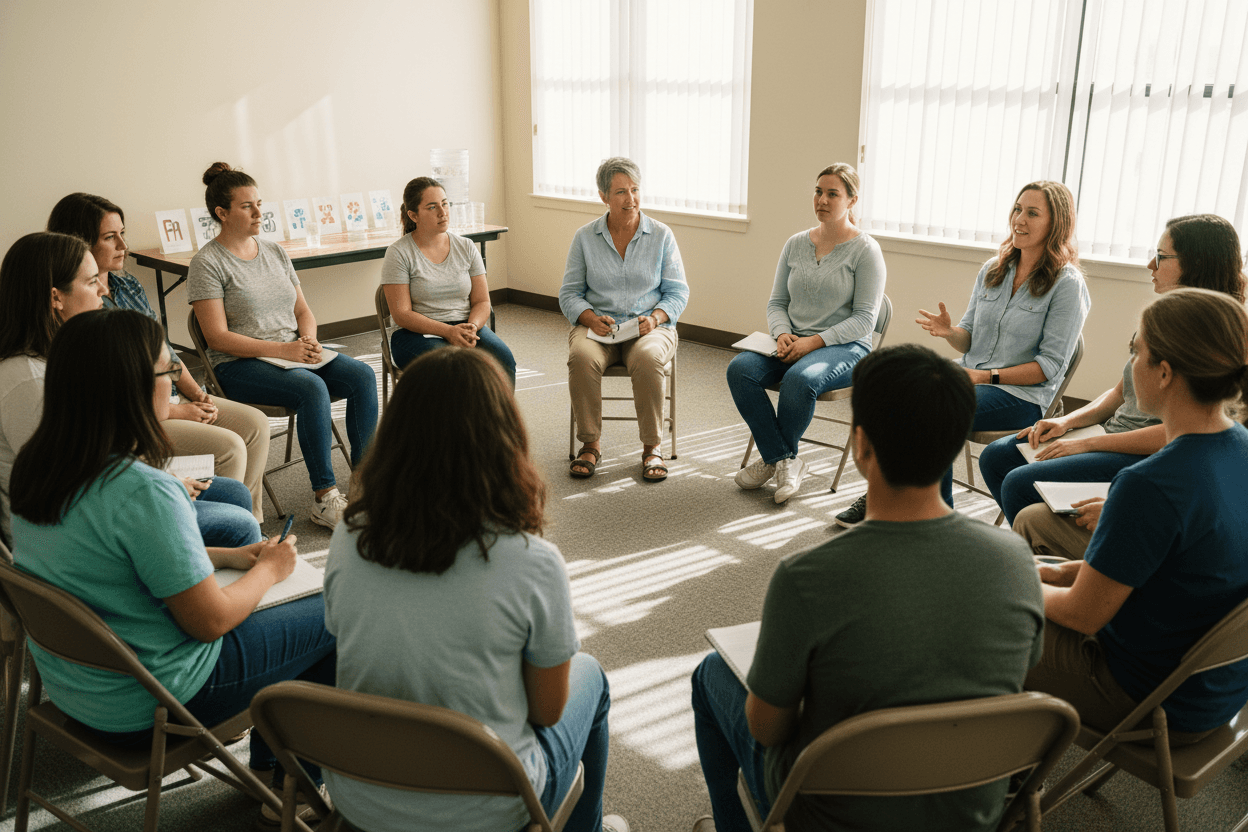
Offer virtues-based workshops and gatherings where people can learn the five strategies and practice them together. One example was a six-week Introduction to the Virtues Project offered at the Quality Life Center, with in-person and online options.
Grow local facilitators
Support community members who want to go deeper in pursuing facilitator training, so more people across Southwest Florida can lead virtues activities of their own.
Partner with schools and community programs
Work alongside the Youth Programs & Education table to bring virtues-based practices into local classrooms and youth settings, and support organizations — like the Quality Life Center — that already use the curriculum in their work.
Our Journey
The Virtues Project table took shape after Compassionate SWFL's first nine community conversations, making it one of the newest tables in the initiative. It is hosted at the Quality Life Center, which has used the Virtues Project curriculum in its own character-development work for several years.
Our Accomplishments
- Completed the first six-week Introduction to the Virtues Project workshop cohort in spring 2026.
- Established the Quality Life Center partnership as the table's home base.
Where We’re Headed
- Run additional introductory workshop cohorts.
- Certify a growing group of local facilitators.
- Pilot virtues-based practices with local schools and youth programs.
Get Involved
A shared vocabulary of character is community infrastructure: it changes how neighbors correct, guide, and encourage one another. Supporting this table means more workshops, more trained facilitators, and more places in Southwest Florida where character is noticed and named.
Help we’re looking for
- Educators and school partners
- Parents and family advocates
- Youth mentors
- Anyone curious about practicing the language of virtues